Alojamento Local Licence in Portugal: The 2026 Owner's Guide (AL Requirements, Costs, Deadlines)
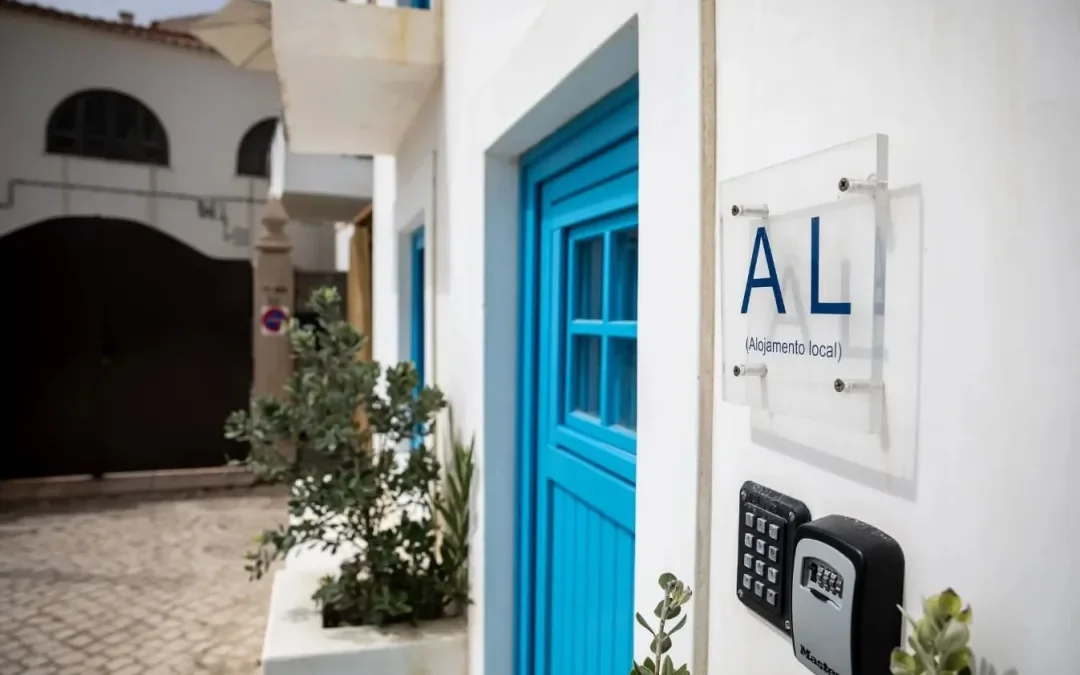
Photo creds: https://mb-advogados.pt/
Key Takeaways
AL license is mandatory: You cannot legally rent your Portuguese property short-term without Alojamento Local registration from your local câmara municipal.
Safety equipment required: Fire extinguisher, fire blanket, first aid kit, emergency contact information (112), and complaints book are non-negotiable legal requirements.
Guest registration is mandatory: All foreign guests must be registered through SIBA within three working days. Fines range from €100-€2,000 for non-compliance.
Insurance is compulsory: Public liability and fire insurance must be active before accepting bookings. Missing insurance can result in license cancellation.
Property standards matter: Water supply, sewage connection, ventilation, privacy features, and basic furnishings are all legally mandated before you can operate.
AL license is now indefinite: The five-year renewal requirement was abolished in November 2024. Licenses remain valid as long as you maintain compliance.
Time to acquire license can vary. A recent AL application we did for a villa in Lagos took the maximum of 60 working days. This timeframe varies from camara to camara.
Want to see what your rental property in the Algarve should actually be earning?
Click here to get your free earnings estimate using real Algarve market data.
You've purchased your Algarve property and you're ready to start renting to holidaymakers. But between today and your first legal booking sits a critical compliance process that many owners underestimate or misunderstand.
Portugal's Alojamento Local (AL) regulations are legal requirements enforced through inspections and substantial fines.
Operating without proper registration exposes you to penalties ranging from forced booking cancellations to complete prohibition from short-term rentals for five years.
This guide breaks down exactly what AL compliance requires, which safety equipment you must install, how guest registration works, and what happens if you skip these steps. Whether you're setting up a new rental or checking your existing operation meets current standards, understanding these fundamentals protects both your investment and your guests.
What is Alojamento Local?
Alojamento Local is Portugal's legal framework for short-term holiday rentals. Any property offering temporary accommodation to tourists for payment—whether listed on Airbnb, Booking.com, or rented privately—must operate under AL registration.
AL establishments include houses, apartments, private rooms, and hostels. The defining characteristics are that accommodation is furnished, rented to tourists, temporary (maximum 30 consecutive days per booking), and doesn't meet the criteria for formal tourist enterprises like hotels.
Maximum capacity for standard AL properties is nine bedrooms and 30 guests simultaneously. Hostels have no capacity limits but follow additional regulations. Properties must include a kitchen for guest meal preparation and bathroom facilities, even if shared.
The key distinction separating AL from long-term rentals is duration and purpose. Stays under 30 days for tourist purposes require AL registration. Longer stays fall under different tenancy laws with distinct tax treatment and tenant protections.
Registration is handled by the câmara municipal of the concelho your property sits in, and the process varies more than you'd expect between them. Lagos is among the stricter Algarve councils on inspection and safety compliance — if your property is there, we handle AL registration and the ongoing reporting as part of our property management in Lagos, Algarve.
Property Standards Requirements
Before applying for AL registration, your property must meet specific physical and infrastructure standards. These aren't recommendations—inspections verify compliance before licenses are granted.
Infrastructure Connections
Properties must connect to public water supply or maintain a properly licensed private water system with regular quality testing. Similarly, connection to public sewerage is required, or installation of septic tanks with capacity appropriate to maximum guest numbers.
Hot and cold running water must be available throughout the property. Bathroom facilities need security systems guaranteeing user privacy—locks on doors, in plain terms.
Ventilation and Light Control
Every bedroom requires windows or balconies providing direct exterior access. This ensures natural ventilation and emergency egress. Properties cannot rely solely on internal ventilation systems for sleeping spaces.
Conversely, windows and doors must have coverings—shutters, curtains, or blinds—allowing guests to block exterior light. This dual requirement balances daytime brightness with nighttime darkness for guest comfort.
Furnishings and Equipment
AL properties must be fully furnished with appropriate equipment for guest comfort. This includes beds (clearly defined as full beds, not just convertible sofas), seating, dining furniture, kitchen appliances, cooking utensils, crockery, cutlery, and linens.
The kitchen must equip guests to prepare meals independently. This means cooker/hob, refrigerator, basic cookware, and eating implements. Properties marketed as self-catering that don't provide adequate kitchen equipment violate AL requirements.
Quality and condition matter—furniture and equipment must be well-maintained and fully functional. Inspectors assess whether furnishings meet reasonable standards for paid accommodation, not just minimum existence.
Maintenance and Cleanliness
Exterior and interior of buildings must demonstrate good maintenance and operating condition. Peeling paint, broken fixtures, damaged floors, or malfunctioning equipment fail inspection standards.
General hygiene and cleanliness standards apply at all times, not just during inspections. Properties must maintain conditions suitable for tourist accommodation throughout their operating period.
Safety Equipment Mandates
Safety requirements vary based on property capacity, but minimum standards apply to all AL establishments. Missing or inadequate safety equipment prevents license approval and risks existing license revocation.
For Properties Accommodating 10 or Fewer Guests
The basic safety requirements include:
Fire extinguisher: At least one certified fire extinguisher appropriate to property size, easily accessible to guests. Budget €30-60 for quality residential extinguishers. Extinguishers must carry valid inspection labels and meet Portuguese safety standards.
Fire blanket: Required in kitchens near cooking areas but not directly adjacent to heat sources where grease fires might prevent access. Cost approximately €15-25.
First aid kit: Must meet EU standards (carrying 'CE' marking) and be accessible to guests. Include basic supplies: bandages, antiseptic, pain relievers, burn treatment, scissors, tweezers. Budget €20-40 for compliant kits.
Emergency contact information: National emergency number (112) must be displayed prominently and visibly. Include this in welcome books, near phones, and on visible wall notices.
For Properties Accommodating More Than 10 Guests
Larger properties follow more extensive fire safety regulations under separate legislation. Requirements typically include additional extinguishers, emergency lighting, clearly marked exits, and potentially fire detection systems. Consult your local bombeiros (fire department) for specific requirements matching your property configuration.
Additional Mandatory Equipment
Complaints book (Livro de Reclamações): Every AL must maintain an official complaints book accessible to guests with notices informing them of its location and purpose. These are available from any stationery shop (papelaria) for €3-5. Missing a complaints book during inspections results in immediate compliance failures.
Appliance instruction manuals: Provide operating instructions for all electrical appliances, either original manuals or clear usage information. Guests need to safely operate equipment like washing machines, dishwashers, ovens, and heating systems.
No-smoking signage: Must be displayed if smoking is prohibited indoors. Most AL properties prohibit indoor smoking to protect furnishings and avoid complaints from subsequent guests.
Identification signage: AL properties (except those in the "Housing" category) must display approved signage identifying the establishment as Alojamento Local near the main entrance. This helps guests locate properties and allows authorities to identify registered establishments.
Guest Registration Through SIBA
One of the most frequently overlooked AL requirements is mandatory guest registration. All foreign nationals staying in your property must be registered through Portugal's SIBA system (Sistema de Informação de Boletins de Alojamento).
Who Must Be Registered
Every non-Portuguese guest regardless of age requires registration. This includes:
Tourists from any country
Business travelers
Erasmus students
Long-term foreign residents
Children and infants
Guests from EU countries
The only exemption is Portuguese citizens. Even if someone has lived in Portugal for years but holds foreign citizenship, registration is mandatory.
What Information is Required
For each guest, you must collect and submit:
Full legal name (matching passport or ID)
Date of birth
Country of birth
Home address
Country of residence
Nationality
Identity document type
Document number
Issuing country
Check-in date
Check-out date (if known)
Guests must present valid government-issued identification—passport, national ID card, or driver's license from their country. You cannot withhold these documents; only police and judicial authorities have that power. Verify information and return documents immediately.
SIBA Registration Process
Before registering guests, you must first register your property as a SIBA user. This happens through theSIBA platform operated by AIMA (formerly SEF).
Registration requires your property's NIF, AL license number, property address, and contact information. Processing takes 1-3 business days, after which you receive login credentials for submitting guest registrations.
Guest information must be submitted within three working days of their arrival. For properties with frequent turnover, this becomes a substantial administrative task—expect 10-15 minutes per booking to collect information and complete submissions.
Penalties for Non-Compliance
Fines for failing to register guests range from €100 to €2,000 depending on the number of unregistered guests. Properties with systematic non-compliance face more severe penalties including potential license suspension.
Inspections happen without warning. ASAE (Autoridade de Segurança Alimentar e Económica) and tourism authorities conduct random compliance checks. If inspectors find unregistered guests during these visits, fines apply immediately.
Many property managers use automated systems to collect guest information during online check-in, then submit data to SIBA automatically. If you're self-managing, factor this administrative requirement into your time calculations—it's not optional and it's not quick.
At Casa Oeste, we handle all SIBA registrations for managed properties as part of our service. Guest information is collected during our check-in process and submitted to authorities within the legal timeframe, ensuring owners maintain full compliance without the administrative burden.
Insurance Requirements
Portuguese law mandates specific insurance coverage for all AL operations. This isn't optional and missing valid insurance can result in immediate license cancellation.
Compulsory Coverage Types
Public liability insurance: Minimum coverage of €75,000 for third-party liability. This covers injury to guests or damage caused to third parties. If someone slips in your property, suffers an allergic reaction to pool chemicals, or experiences any accident causing injury, you're legally liable. The mandatory minimum covers basic incidents, but serious accidents causing permanent disability can generate claims exceeding this limit.
Consider increasing coverage to €150,000-€300,000. Additional premiums are modest—perhaps €50-100 extra annually—but provide substantially better protection.
Fire insurance: Required for properties in buildings under horizontal property ownership (condominiums). Covers fire damage to the property and protects against fire-related liability claims.
Typical Costs
Annual AL insurance for a standard two-bedroom property costs €400-800 depending on location, property value, coverage limits, and claims history. Properties with pools, coastal locations, or higher guest capacities typically pay towards the upper end of this range.
Major Portuguese insurers offering AL-specific policies include Fidelidade, Tranquilidade, Liberty, and Allianz. International providers like IntaSure also offer policies tailored to foreign property owners.
Policy Requirements
Insurance must be continuously valid. Policies lapsing even temporarily violate AL regulations. Set up automatic renewals and calendar reminders well before expiry dates.
Standard home insurance policies explicitly exclude short-term rental activity. Your regular homeowners policy won't cover AL operations. You need specific short-term rental or AL-designated coverage.
Policy documents must be available for inspection. Keep current insurance certificates accessible and provide copies if requested during compliance checks.
Documentation and Application Process
Securing AL registration requires submitting specific documents to your local câmara municipal. Requirements are standardized nationally but processing times and inspection procedures vary by municipality.
Required Documents
Proof of ownership or rental rights: Property deeds (escritura), rental contract granting subletting rights, or other documentation proving you control the property legally.
Válid property use authorization (autorização de utilização): This certifies the property is approved for habitation. Buildings constructed legally with approved plans should have this documentation. Properties lacking valid use authorization cannot obtain AL licenses.
Architectural floor plans: Showing room layouts, dimensions, and usage. Plans must be accurate to current property configuration.
Technical safety certificates: Electrical installation certificates from licensed electricians, gas installation certificates if applicable (inspected every two years under Decree-Law 521/99), and water quality certificates for properties with boreholes or wells.
Energy performance certificate: Required for all property transactions and rentals in Portugal. Valid for 10 years from issuance.
NIF (Número de Identificação Fiscal): Portuguese tax identification number. Foreign owners obtained this during property purchase.
Declaration of activity commencement: Filed with Finanças (tax authority) registering your short-term rental activity. This establishes your business activity classification and tax obligations.
Proof of condominium notification (if applicable): For properties in multi-unit buildings, you must inform other owners of your intent to operate AL. November 2024 regulations removed requirements for condominium approval, but notification remains necessary. Condominiums can oppose AL licenses if 50%+ of owners approve the objection based on proven disturbances.
Processing Timeline
Submit your application through your local câmara municipal, either in person or via Portugal's digital platforms. Many municipalities use the Balcão Único Electrónico for online submissions.
Processing times legally require 60 days in standard areas or 90 days in designated containment zones. Reality often differs—Lagos typically processes applications in 60-90 days, smaller councils might complete reviews in 45 days, whilst busy urban areas occasionally extend beyond statutory timeframes.
The câmara schedules an inspection to verify your property meets all physical requirements, safety standards, and equipment mandates. Inspectors check everything from fire extinguisher placement to ventilation adequacy to complaints book presence.
If your application is complete and your property passes inspection, you receive your AL registration number (RNAL number). This number must appear in all advertising, booking platform listings, and marketing materials.
License Validity and Renewal
Since November 2024, AL licenses are indefinite. The previous five-year renewal requirement was abolished. Your license remains valid as long as you maintain compliance with all regulations and keep required documentation current (insurance, gas inspections, etc.).
Licenses can be revoked for systematic violations, operating without required insurance, failure to maintain safety equipment, persistent guest complaints, or documented disturbances to neighbouring properties.
Common Compliance Failures
Understanding where others fail helps you avoid the same mistakes. These are the most frequent AL compliance violations found during inspections.
Missing or Expired Safety Equipment
Fire extinguishers lacking valid inspection labels, missing fire blankets in kitchens, inadequate first aid supplies, or absent emergency contact information. Purchase certified equipment from reputable suppliers and maintain inspection schedules.
Inadequate Guest Registration
Failing to register guests through SIBA, incomplete guest information, or registrations submitted outside the three-day window. This is particularly common among owners self-managing properties remotely—they don't establish systems for collecting guest information systematically.
Invalid or Lapsed Insurance
Operating with expired insurance policies or coverage that doesn't meet AL requirements. Authorities check insurance validity during inspections. Set renewal reminders 60 days before expiry to ensure continuous coverage.
Inaccurate Capacity Declarations
Listing more guests than beds support, advertising capacity exceeding what you reported to authorities, or using convertible beds beyond permitted ratios. Your advertised capacity must match your registered capacity exactly.
Missing Complaints Book
Simply not having a Livro de Reclamações available, failing to display notices informing guests of its location, or keeping it somewhere guests cannot access it. Purchase the official version from any papelaria and place it prominently in your property.
Ventilation or Privacy Deficiencies
Bedrooms lacking windows with exterior access, bathrooms without functioning locks, or spaces marketed as sleeping areas that don't meet bedroom standards. These structural issues require physical modifications to correct.
Operating Before License Approval
Accepting bookings or hosting guests before receiving your official AL registration number. Some owners assume submitting an application grants operating permission—it doesn't. You cannot legally operate until the câmara approves your license and issues your RNAL number.
Municipal Variations and Restrictions
While AL regulations are nationally standardized, municipalities now hold significant authority over local implementation. Understanding your specific area's restrictions prevents costly application mistakes.
Containment Zones
Some municipalities designate "zonas de contenção"—containment zones where AL establishment density exceeds 25% of available housing. In these areas, new AL registrations may be temporarily suspended to preserve housing availability for permanent residents.
As of 2024, major coastal areas and city centers like Lisbon and Porto maintain containment restrictions. However, individual freguesias (parishes) within these municipalities may allow new applications depending on local housing ratios.
Check your property's location against your câmara's current containment zone map before investing time and money in AL setup. Restrictions change periodically based on updated housing studies conducted every three years.
Building-Specific Limits
In buildings divided into multiple apartments (horizontal property), AL operations are limited to seven units per building, not exceeding 75% of total fractions. This prevents entire buildings converting to tourist accommodation.
If your building already has multiple AL units, verify whether adding yours would breach these thresholds. Your application will be rejected if approving it would push the building beyond legal limits.
Sustainable Growth Areas
Municipalities may designate certain zones as "sustainable growth areas" requiring special monitoring to prevent overdevelopment. New AL applications in these areas receive additional scrutiny but aren't automatically prohibited.
These designations aim to balance tourism growth with community sustainability, particularly in previously underdeveloped areas experiencing rapid tourism increases.
Ongoing Compliance Obligations
Securing your AL license is an ongoing compliance commitment requiring attention throughout your operations.
Annual Requirements
Tax declarations: File annual income declarations reporting all rental revenue. AL income is taxed differently from regular employment or pension income. Most owners require accountants familiar with AL tax treatment to ensure correct filings.
Insurance renewal: Maintain continuous valid insurance coverage. Policy lapses violate AL regulations even if only for days.
Gas equipment inspections: Properties with gas installations require inspections every two years by certified technicians. Keep certificates current and accessible.
SIBA guest registrations: Continue registering every foreign guest throughout your operations. This isn't just a startup requirement but an ongoing obligation for every booking.
Periodic Municipal Inspections
Câmaras and ASAE conduct periodic inspections verifying continued compliance. These happen without advance notice—inspectors simply arrive, identify themselves, and request access to verify your property meets standards.
They check safety equipment presence and condition, review recent SIBA registrations, verify insurance validity, inspect physical conditions, and confirm capacity doesn't exceed authorized limits.
Systematic violations can result in warnings, fines, or license suspension depending on severity. Serious breaches—operating without insurance, consistent guest registration failures, or dangerous safety deficiencies—risk permanent license revocation.
Record Retention
Maintain records for guest registrations (one year from departure), insurance certificates (duration of coverage plus one year), safety equipment inspection certificates (until next inspection), tax declarations (seven years), and all correspondence with authorities.
These records protect you during inspections and disputes. If authorities question your compliance, documentation proves you met obligations.
Conclusion
Alojamento Local compliance isn't complicated, but it is mandatory and it is enforced.
None of this is difficult. It is simply relentless — the guest reporting, the tourist tax returns, the annual obligations. Owners who'd rather not spend their year on it hand the whole file to our Lagos, Algarve management team.
The requirements exist to protect guests, maintain property standards, and ensure short-term rentals operate within legal frameworks benefiting both tourism and local communities.
Start by understanding your municipality's specific restrictions before investing in setup costs. Verify your property location allows AL operations and that your building hasn't reached unit limits.
Purchase required safety equipment from reputable suppliers ensuring items meet Portuguese standards. Don't economize on fire extinguishers or first aid kits—certified equipment costs marginally more than uncertified versions but protects you legally.
Establish guest registration systems before accepting your first booking. Whether you use automated software or manual processes, having a reliable method for collecting information and submitting SIBA registrations prevents compliance failures.
Maintain insurance continuously and keep all certificates organized and accessible. Set calendar reminders 60 days before renewal dates to prevent policy lapses.
Most importantly, recognize that AL regulations protect your business as much as they regulate it. Operating legally means platforms can't de-list you, authorities won't fine you, and guests can book confidently knowing you meet safety standards. The investment in proper compliance pays returns throughout your property's operating life.
At Casa Oeste, we handle all compliance requirements for managed properties, from SIBA registrations to insurance coordination to maintaining safety equipment. Our experience managing properties across Lagos and the Western Algarve means we understand exactly which standards apply and how to maintain them efficiently.
Explore our property management services to see how we support Algarve property owners, or visit our homepage to learn more about our approach.
Want to see what your rental property in the Algarve should actually be earning?
Click here to get your free earnings estimate using real Algarve market data.
Frequently Asked Questions
-
Yes. Any paid short-term accommodation to tourists requires AL registration regardless of how frequently you rent or how many weeks annually. "Occasional" renting doesn't exempt you from licensing requirements. Operating without registration risks fines and forced cancellation of bookings.
-
The registration process itself is free—câmaras don't charge application fees. However, obtaining required documentation costs money: electrical certificates (€80-150), gas certificates if applicable (€60-100), energy performance certificates (€100-200), and architect fees if you need updated floor plans (€200-400). Total documentation costs typically range €400-900 before submission.
-
Under November 2024 regulations, condominiums no longer require prior approval for AL operations. However, if at least 50% of unit owners vote to oppose your license based on documented disturbances or safety concerns, their opposition can prevent license approval or revoke existing licenses. Simple preference against tourism doesn't constitute valid opposition—evidence of problems is required.
-
Minor violations typically receive warnings with timeframes for correction—perhaps 30-60 days to remedy specific issues. Serious violations like missing insurance, operating without a license, or systematic safety failures can result in immediate fines (€500-€3,000 for individuals), forced closure until compliance is achieved, or permanent license revocation for egregious cases. Repeat violations receive harsher penalties.
-
No. SIBA registration applies only to foreign nationals. Portuguese citizens staying at your property don't require registration regardless of stay duration. This applies to Portuguese citizens, not just Portuguese residents—someone from Brazil holding only Brazilian citizenship requires registration despite potentially living in Portugal.
-
Legally, 60 days in standard areas or 90 days in containment zones from complete application submission. Reality varies by municipality—Lagos averages 60-90 days, smaller councils sometimes complete reviews in 45 days, busy urban areas occasionally extend beyond 100 days. Incomplete applications or properties requiring compliance corrections extend timelines further. Don't accept bookings until you receive your official RNAL number.
-
Yes. Since November 2024, AL licenses transfer with property sales and inheritance. This reversed previous rules making licenses non-transferable. However, the new owner must notify authorities of ownership change and maintain all compliance obligations. Licenses don't transfer if the property will be used differently or if the buyer faces disqualifying violations.
-
Standard AL properties are limited to nine bedrooms and 30 guests simultaneously. You can increase guest count by adding extra beds for children under 12, but convertible beds cannot exceed the number of fixed beds. Your registered capacity becomes your legal maximum—advertising or accepting more guests violates your license terms even if physical space allows it.
About the Author
Matt Deasy is the founder and CEO of Casa Oeste: a property expert with more than 20 years of experience in international tourism and 15 years living in the Western Algarve. Having renovated multiple properties across Portugal, Matt brings a practical, boots-on-the-ground perspective to every article.
A travel industry expert, he previously launched and ran a multinational travel company, selling tens of thousands of bed nights across Europe and Africa for over a decade - and is the co-founder of PortugalXpert - specialists in Portugal relocation. He is the co-author of two books on relocating and investing in Portugal: Portugal Beckons and Your Portuguese Property Beckons, both available on Amazon.
Through Casa Oeste, Matt helps homeowners unlock the full potential of their Algarve properties with expert management, renovations, and market-led insights.